Maximizing Local Traffic Through Strategic Directory Engagement
Introduction
Understanding Local Business Directories
Definition and Purpose of Local Business Directories
Types of Local Business Directories
Benefits of Using Local Business Directories
Enhanced Online Visibility
Improved Search Engine Rankings
Building Trust and Credibility with Customers
Increased Website Traffic and Leads
How to Choose the Right Local Business Directories
Step 1: Identify Your Target Audience
Step 2: Evaluate Directory Authority and Relevance
Step 3: Consider Directory Features and Benefits
Optimizing Your Directory Listings
Step 1: Consistent NAP Information
Step 2: Crafting an Engaging Business Description
Step 3: Utilizing High-Quality Images and Videos
Step 4: Encouraging Customer Reviews and Ratings
Promoting Your Listings for Maximum Visibility
Step 1: Share Your Listings on Social Media
Step 2: Utilize Email Marketing Campaigns
Step 3: Collaborate with Local Influencers and Businesses
Monitoring and Analyzing Directory Performance
Step 1: Tracking Traffic Sources and Analytics
Step 2: Adjusting Strategies Based on Performance Data
Conclusion
Introduction
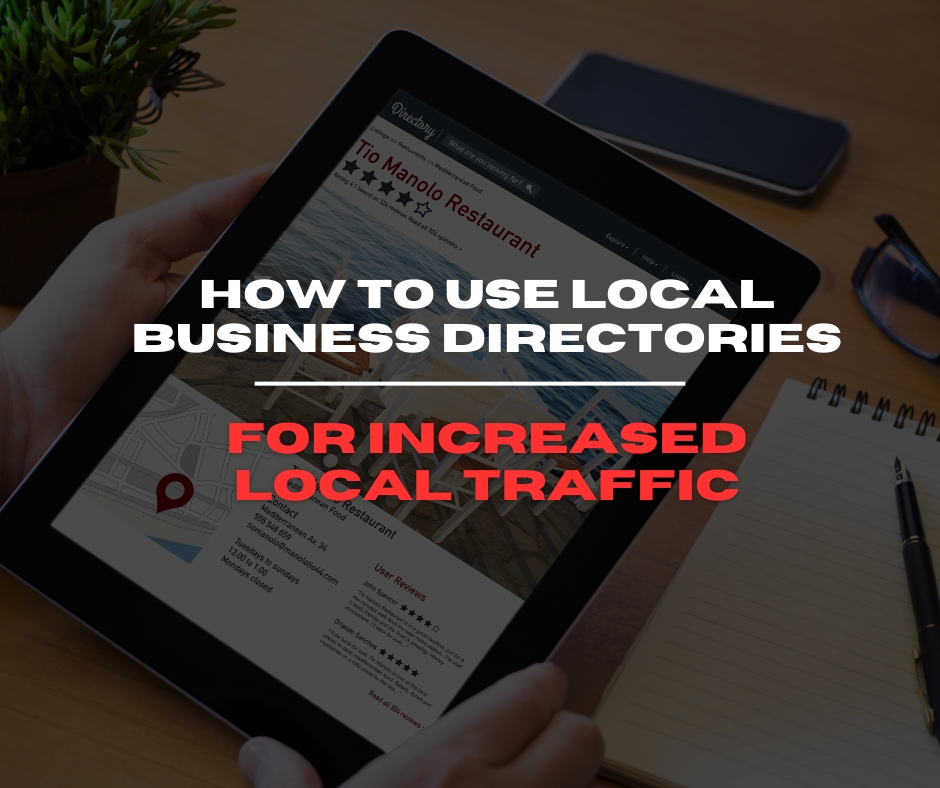
In today’s digital landscape, local search engine optimization (SEO) is paramount for businesses aiming to attract nearby customers. One of the most effective strategies to enhance local visibility is through local business directories. These platforms not only list businesses but also serve as vital tools for increasing local traffic, building credibility, and improving search rankings. This article explores how businesses can leverage local business directories to maximize their online presence and drive more traffic.
Understanding Local Business Directories
Definition and Purpose of Local Business Directories
Local business directories are online platforms that compile listings of businesses within specific geographic areas. They serve as a resource for consumers seeking products or services in their locality, making them an essential component of local SEO strategies.
Types of Local Business Directories
- General Directories: These include well-known platforms like Yelp, Yellow Pages, and Google My Business, which cater to a wide range of industries.
- Niche-Specific Directories: These focus on specific sectors or industries, such as TripAdvisor for travel-related businesses or Healthgrades for healthcare providers.
- Review Sites: Platforms like Angie’s List or Trustpilot not only list businesses but also emphasize customer reviews, enhancing trustworthiness.
Benefits of Using Local Business Directories
Enhanced Online Visibility
Being listed in multiple directories increases your chances of being discovered by potential customers searching online. The more places your business appears, the more likely it is that consumers will find you.
Improved Search Engine Rankings
Search engines prioritize businesses with consistent citations across various directories. By optimizing your listings, you can enhance your visibility in search results, driving more organic traffic to your website.
Building Trust and Credibility with Customers
Consumers often rely on directories to gauge the credibility of a business. A well-maintained listing with positive reviews can significantly enhance your reputation.
Increased Website Traffic and Leads
Effective use of local business directories can lead directly to increased website visits. As potential customers discover your business through these platforms, they are more likely to engage with your website or visit your physical location.
How to Choose the Right Local Business Directories
Step 1: Identify Your Target Audience
Understanding who your ideal customers are is crucial. Conduct market research to determine their preferences and behaviors regarding online searches.
Understanding Your Ideal Customer Profile
Create detailed customer personas that outline demographics, interests, and search habits. This will guide you in selecting the most relevant directories.
Researching Where Your Audience Searches
Utilize tools like Google Trends or social media analytics to uncover which platforms your target audience frequents when searching for products or services similar to yours.
Step 2: Evaluate Directory Authority and Relevance
Not all directories are created equal. Focus on those that have high domain authority and relevance to your industry.
Assessing Domain Authority and Trustworthiness
Use tools like Moz or Ahrefs to evaluate the authority of potential directories. Higher authority sites are more likely to positively impact your SEO efforts.
Importance of Niche Relevance
Choosing directories that align with your industry can enhance your credibility among target customers who are specifically looking for services in that niche.
Step 3: Consider Directory Features and Benefits
Different directories offer varied features that can enhance your listing’s effectiveness.
Listing Options: Free vs. Paid Listings
While many directories offer free listings, paid options often provide additional visibility through enhanced features such as priority placement or advertising opportunities.
Additional Features: Reviews, Photos, and Promotions
Look for directories that allow you to showcase customer reviews, upload images, or run promotions—these elements can significantly improve engagement rates.
Optimizing Your Directory Listings
Step 1: Consistent NAP Information
Ensure that your business’s Name, Address, and Phone Number (NAP) are consistent across all listings. Inconsistencies can confuse potential customers and harm your SEO efforts.
Importance of Name, Address, Phone Number Consistency
Search engines use this information to verify your business’s legitimacy; discrepancies can lead to lower rankings.
How to Verify Your NAP Accuracy
Regularly audit your listings using tools like Moz Local or BrightLocal to ensure accuracy across all platforms.
Step 2: Crafting an Engaging Business Description
A compelling business description can attract more clicks from potential customers.
Key Elements of a Compelling Description
Include essential information about what makes your business unique while integrating relevant keywords naturally without keyword stuffing.
Incorporating Keywords Naturally
Research relevant keywords using tools like Google Keyword Planner or SEMrush to identify terms that potential customers might use when searching for services like yours.
Step 3: Utilizing High-Quality Images and Videos
Visual content significantly enhances user engagement.
The Impact of Visual Content on Engagement
Listings with images receive more views than those without. High-quality photos can showcase your products or services effectively.
Best Practices for Image Optimization
Ensure images are optimized for web use (compressed without losing quality) and include relevant alt text descriptions that incorporate keywords.
Step 4: Encouraging Customer Reviews and Ratings
Positive reviews can dramatically influence consumer decisions.
Strategies for Soliciting Reviews from Customers
Encourage satisfied customers to leave reviews by sending follow-up emails after purchases or offering incentives such as discounts on future services.
Responding to Reviews: Best Practices
Engage with both positive and negative reviews professionally; this demonstrates excellent customer service and builds trust with prospective clients.
Promoting Your Listings for Maximum Visibility
Step 1: Share Your Listings on Social Media
Utilize social media platforms to promote your directory listings actively.
Leveraging Social Media Platforms for Promotion
Share links to your directory profiles on Facebook, Instagram, Twitter, or LinkedIn—encouraging followers to check out your listings increases visibility.
Engaging with Your Audience Through Social Media
Create engaging posts that highlight customer testimonials or showcase special offers available through directory listings.
Step 2: Utilize Email Marketing Campaigns
Email marketing remains a powerful tool for driving traffic.
Informing Existing Customers About Your Directory Listings
Send newsletters featuring links to your directory profiles along with updates about new offerings or promotions available exclusively through those platforms.
Encouraging Shares and Reviews Through Email
Prompt existing customers via email campaigns to share their experiences on directory sites—this not only boosts visibility but also enhances credibility through authentic reviews.
Step 3: Collaborate with Local Influencers and Businesses
Partnerships can amplify your reach significantly.
Building Partnerships for Cross-Promotion
Collaborate with local influencers who resonate with your target audience; their endorsement can drive traffic directly from their followers to your listings.
Engaging Influencers to Expand Reach
Consider hosting events or promotions together that encourage both parties’ audiences to engage with each other’s directory listings.
Monitoring and Analyzing Directory Performance
Step 1: Tracking Traffic Sources and Analytics
Utilize analytics tools to measure the effectiveness of each directory listing in driving traffic.
Tools for Measuring Directory Traffic Impact
Google Analytics can help you track where visitors are coming from—identify which directories yield the highest traffic conversions.
Understanding User Behavior Through Analytics
Analyze user behavior metrics such as bounce rates or time spent on site; this data helps refine future strategies based on what works best.
Step 2: Adjusting Strategies Based on Performance Data
Continuously monitor performance data from each directory listing; adapt strategies accordingly based on what proves most effective in driving traffic or generating leads.
Identifying Successful Directories
Focus efforts on maintaining high-performing listings while considering adjustments for those underperforming based on analytical insights gathered over time.
Making Data-Informed Decisions
Data-driven decisions will optimize resource allocation towards the most impactful channels—ensuring maximum return on investment (ROI).
Conclusion
In conclusion, leveraging local business directories is an essential strategy for increasing local traffic. By optimizing listings effectively—ensuring consistent NAP information, crafting engaging descriptions, utilizing high-quality visuals, encouraging reviews, promoting through social media, collaborating strategically—you position your business favorably within the competitive landscape. Take action today by enhancing your directory presence; the benefits will resonate throughout all facets of your local marketing efforts.