
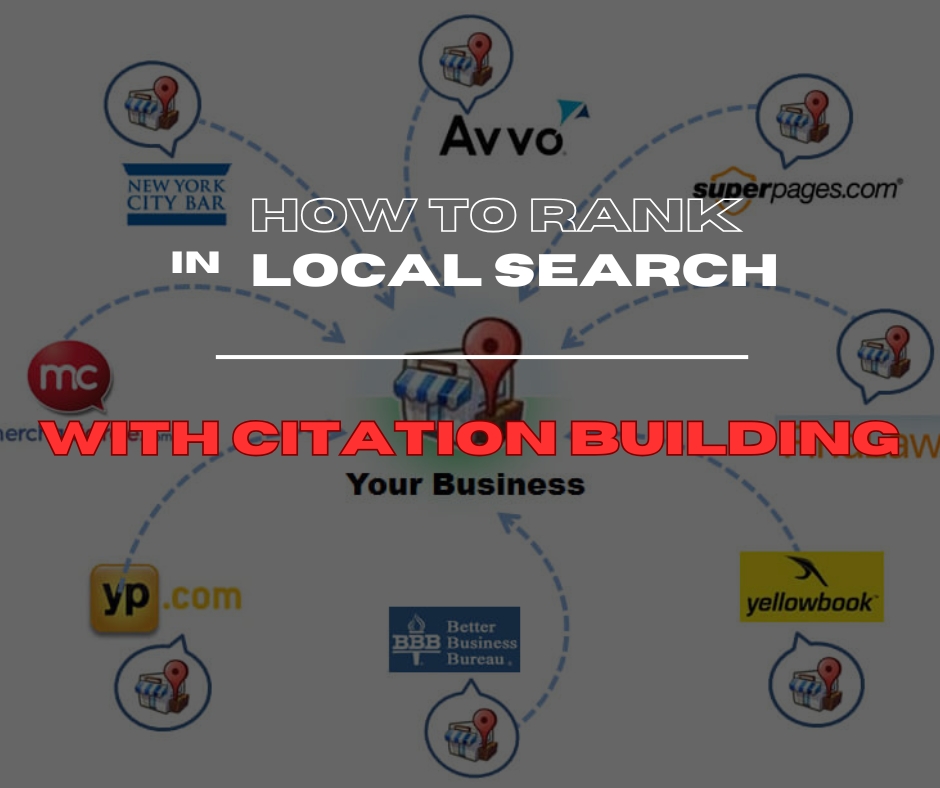
Effective Strategies for Ranking in Local Search Through Citation Building
Key Elements of Effective Citation Building
Steps to Build Local Citations
1. Conduct a Citation Audit
2. Create a List of Target Directories
3. Optimize Your Listings
4. Claim and Verify Your Listings
5. Monitor and Manage Your Citations
Best Practices for Citation Building
1. Focus on Quality Over Quantity
2. Maintain NAP Consistency Across Platforms
3. Encourage Customer Reviews
Measuring the Impact of Citation Building
Common Challenges in Citation Building
Conclusion
Key Elements of Effective Citation Building
To build effective citations, focus on the following key elements:
- Identifying Relevant Citation Sources: Target directories that are most relevant to your industry and geographic area.
- Ensuring Accuracy and Completeness: Each listing should contain complete information about your business, including hours of operation and services offered.
- Regularly Updating Business Information: Keep your listings current to avoid customer confusion and maintain credibility.
Steps to Build Local Citations
1. Conduct a Citation Audit
Start by assessing your existing citations for accuracy. Identify any missing or inconsistent listings that could hinder your ranking efforts.
2. Create a List of Target Directories
Compile a list of popular citation sites such as Google My Business, Yelp, and industry-specific directories relevant to your niche. This targeted approach will help you maximize visibility.
3. Optimize Your Listings
Craft compelling business descriptions that highlight what makes your offerings unique. Choose appropriate categories and tags that accurately reflect your services.
4. Claim and Verify Your Listings
Claiming your business on key platforms is essential for managing your online presence effectively. Verification adds an extra layer of credibility, making it easier for potential customers to trust your information.
5. Monitor and Manage Your Citations
Utilize tools designed for tracking citation performance. Regularly check for duplicate listings or inaccuracies that could negatively impact your rankings.
Best Practices for Citation Building
1. Focus on Quality Over Quantity
While it may be tempting to accumulate as many citations as possible, prioritize high-quality sources over sheer volume. Spammy or irrelevant directories can damage your reputation rather than enhance it.
2. Maintain NAP Consistency Across Platforms
Inconsistencies in your NAP information can harm your local rankings significantly. Implement strategies to ensure uniformity across all platforms where your business is listed.
3. Encourage Customer Reviews
Customer reviews are closely linked to citations; positive reviews can bolster your credibility further. Implement best practices for soliciting reviews from satisfied customers without appearing overly aggressive.
Measuring the Impact of Citation Building
To gauge the effectiveness of your citation-building efforts, track key metrics such as website traffic from local searches, conversion rates, and overall visibility in search results. Utilize analytics tools that provide insights into how well you are performing locally.
Common Challenges in Citation Building
Businesses often face challenges such as dealing with duplicate listings that confuse customers or managing negative reviews that can tarnish their reputation. Keeping up with changes in directory policies can also pose difficulties.
Conclusion
In summary, citation building is an essential strategy for improving local search rankings. By understanding its importance and implementing effective practices, businesses can significantly enhance their visibility online, attract more customers, and ultimately drive growth in their local markets. Investing time and resources into this aspect of digital marketing will yield substantial benefits over time, solidifying your presence within the community you serve.